A Beginner's Guide to Choosing Eco-Friendly Fencing Materials Dec 10, 2025
Before diving into specific materials, it's crucial to understand why eco-friendly fencing is a beneficial consideration. Sustainable materials are often more durable, reducing the need for constant replacement and maintenance. Additionally, they tend to have a lower carbon footprint, as they usually require fewer resources to produce and often incorporate recycled or renewable content.
When selecting eco-friendly fencing materials, start by considering bamboo. Known for its rapid growth rate and regenerative properties, bamboo is one of the most sustainable resources available. It offers remarkable flexibility, which is highly advantageous for fencing as it easily withstands various weather conditions. Furthermore, bamboo fences provide a natural aesthetic that seamlessly integrates with outdoor landscaping.
Recycled metal is another excellent option. While traditional metal production is energy-intensive, choosing fences made from recycled metal significantly reduces environmental impact. These fences are robust and long-lasting, capable of withstanding harsh elements without rusting or warping. Plus, they add a sleek, modern look to your property.
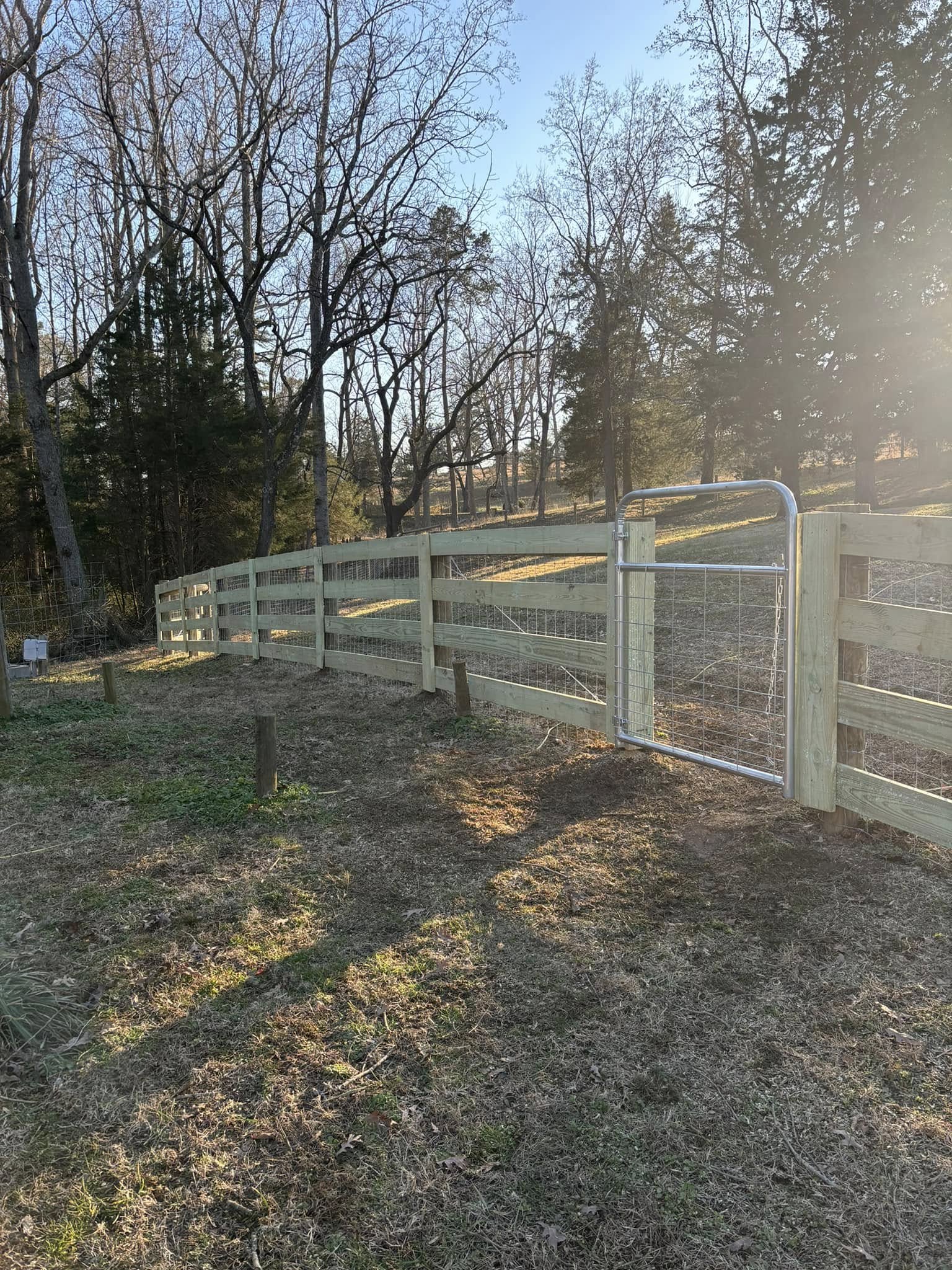
If you prefer a more traditional look, consider lumber certified by the Forest Stewardship Council (FSC). FSC-certified wood ensures that the material is sourced from responsibly managed forests, which prioritize conservation and sustainability. Wood fences offer timeless beauty and can be painted or stained in various ways to match personal preferences.
Composite fencing is also worth considering. Made from a blend of recycled wood fibers and plastic, composite fences offer the aesthetic appeal of wood without the high maintenance. They resist warping and rot, providing a durable barrier that's easy to maintain. Though initially more expensive, the longevity and environmental benefits often justify the upfront investment.
In addition to selecting the right materials, think about the overall design and construction technique. Opt for a design that maximizes airflow and natural light, which can aid in maintaining healthy plant life around your yard. Consider minimizing resource use by opting for designs that require less material, such as vertical slat fencing, which can achieve privacy without solid panels.
When planning your fence, it's essential to seek professional advice. At LB Fencing & Services, our experts can help evaluate your property and suggest the best sustainable options tailored to your specific needs. They can also provide insights on local regulations and maintenance tips to ensure your fence remains eco-friendly throughout its lifespan.
Ultimately, choosing eco-friendly fencing materials is not just a trend, but a responsible choice that contributes positively to the environment. It reflects a commitment to sustainability while providing a functional, attractive addition to your home. By making informed choices today, you can enjoy the benefits of an environmentally friendly fence for many years to come.
/filters:no_upscale()/filters:format(webp)/media/a9e6ba19-a765-4fc7-adc1-e3802eb3f041.jpeg)