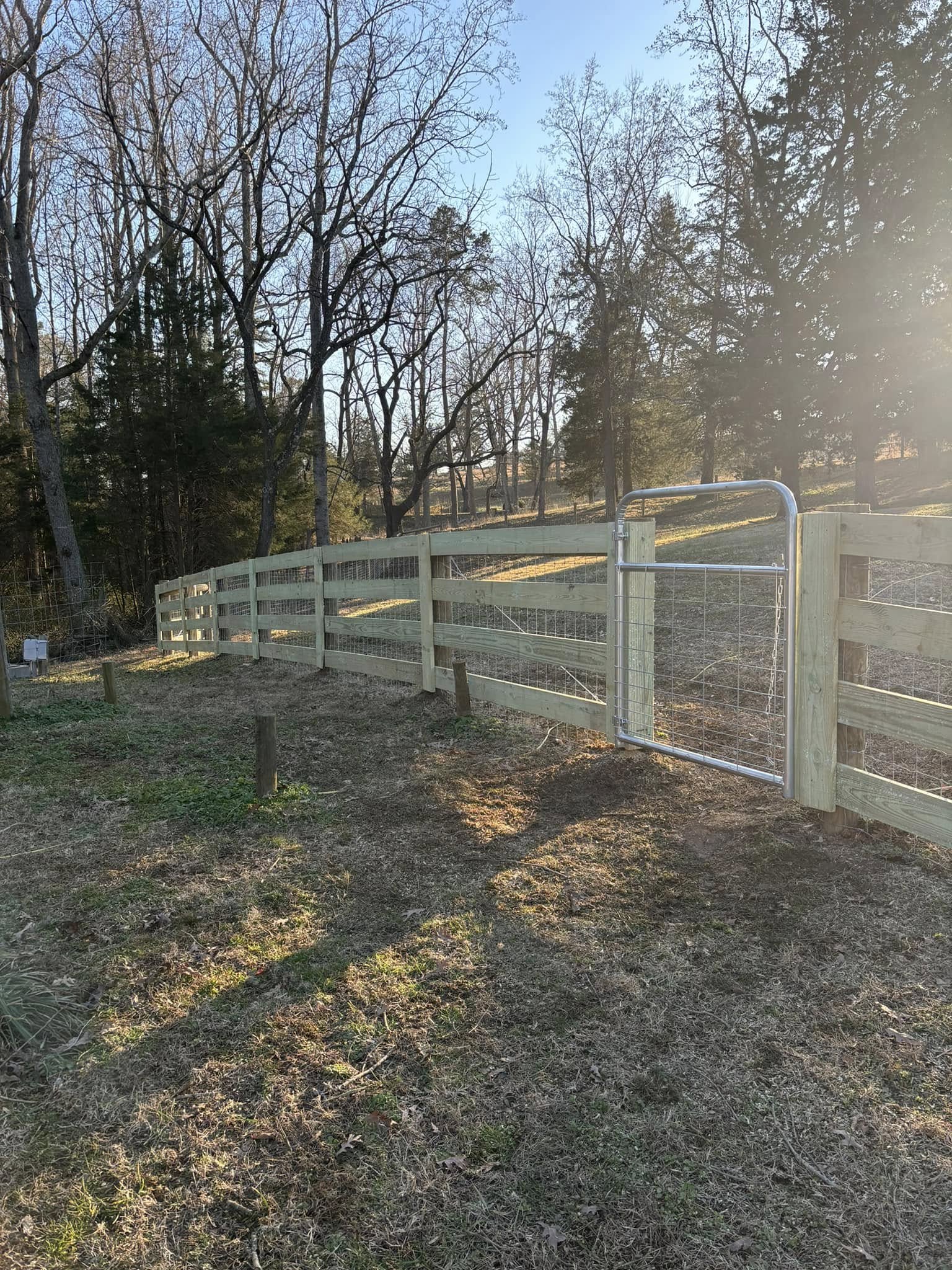
The Role of Fencing in Sustainable Landscaping Practices Feb 17, 2026
Sustainable landscaping involves selecting materials and designs that reduce waste, conserve energy, and promote biodiversity. Fencing, often seen as a mere boundary or privacy solution, can be a pivotal component in achieving these goals. At LB Fencing & Services, we prioritize offering materials that are both durable and environmentally friendly, such as sustainably sourced wood and recycled materials. These choices reduce the carbon footprint and ensure that the fencing complements the natural landscape rather than detracting from it.
One of the primary roles of fencing in sustainable landscaping is the management of microclimates. Properly installed fencing can provide windbreaks, reducing the speed of winds on the property. This can help protect sensitive plants from the harsh effects of strong gusts, aiding in water conservation by minimizing evaporation. Additionally, certain fencing materials can reflect sunlight, providing necessary shade and thus contributing to a cooler micro-environment around your garden. This has a direct impact on energy conservation, as cooler air can decrease the need for air conditioning in adjacent buildings.
Fencing also serves to support biodiversity by acting as a habitat for beneficial wildlife. Fencing options with spaces to allow small animals like hedgehogs or birds through can encourage a thriving ecosystem. Incorporating plants or climbing vines known to attract pollinators can further enhance your landscape's contribution to the local ecosystem. This can lead to healthier soil and more robust plant growth, reducing the need for chemical fertilizers and pest control.
When considering sustainable fencing options with LB Fencing & Services, it is essential to evaluate the full lifecycle of the materials used. Recycled metal fencing or reclaimed wood not only prevents new resource extraction but also alleviates waste build-up. Such materials are inherently robust and require little maintenance, ensuring longevity and reducing the frequency of replacements. Our team is adept at advising customers on the best materials and styles that align with sustainable landscaping principles.
Moreover, fences can assist with water management by delineating different areas that require varying amounts of water. By segmenting zones that need higher irrigation levels from those that thrive on less water, such as xeriscaped areas, homeowners can significantly lower water usage. This segmentation technique is crucial in adopting sustainable landscaping practices, particularly in regions that experience water scarcity.
In conclusion, fencing is far more than a decorative boundary; it is a vital element in sustainable landscaping. At LB Fencing & Services, we understand the delicate balance between functionality, aesthetics, and environmental impact. By choosing the right fencing solutions, property owners not only protect their investment but also contribute positively to the environment. Let us help you integrate sustainable fencing into your landscape, creating a harmonious and eco-friendly outdoor space that you can enjoy for years to come.
/filters:no_upscale()/filters:format(webp)/media/a9e6ba19-a765-4fc7-adc1-e3802eb3f041.jpeg)